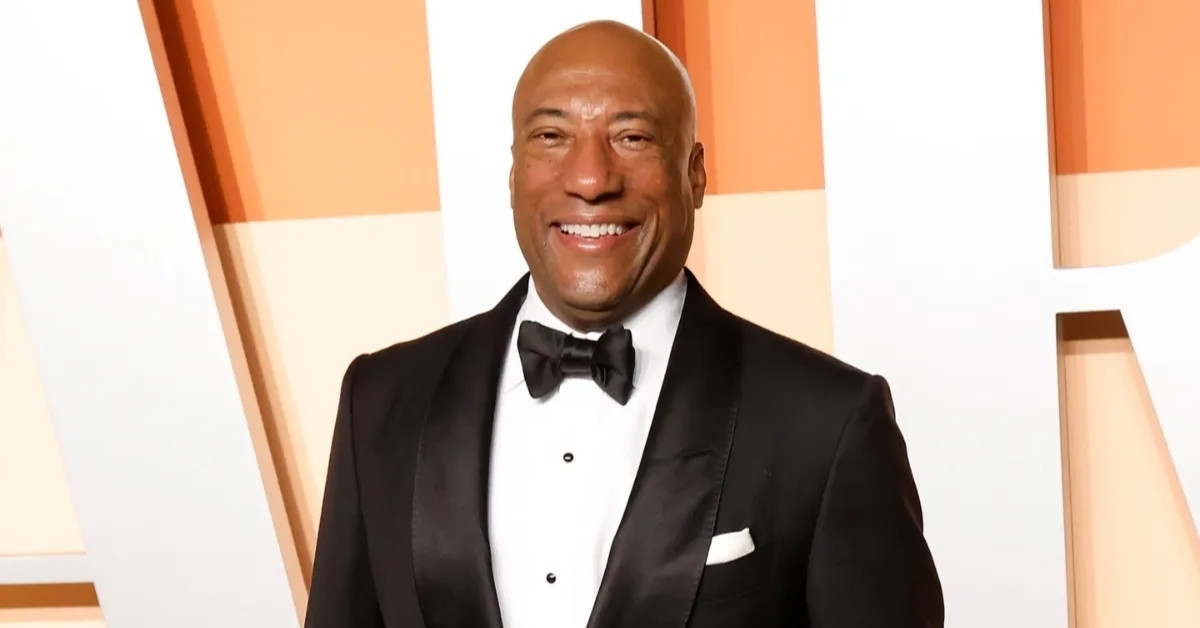
Byron Allen is widely recognized as one of the most powerful and strategic figures in the modern entertainment industry. From humble beginnings in stand-up comedy to building one of the largest Black-owned media companies in the United States, his journey is both unconventional and instructive.
This article explores byron allen net worth, estimated at $1 billion, by examining how Allen transformed comedy opportunities into a vertically integrated media empire. It covers his early life, career milestones, revenue model, major acquisitions, lawsuits, real estate holdings, and future ambitions. By breaking down complex business strategies into clear, practical insights, this guide explains why Byron Allen is considered one of the richest comedians and most influential broadcasting moguls of the modern era.
Byron Allen Profile Summary
| Category | Details |
| Full Name | Byron Allen Folks |
| Birth Date | April 22, 1961 |
| Age | 64 years old |
| Birthplace | Detroit, Michigan, United States |
| Nationality | American |
| Profession | Comedian, Television Producer, Media Mogul, Businessperson |
| Known For | Founder of Entertainment Studios and Allen Media Group |
| Estimated Net Worth | $1 Billion |
| Primary Income Source | Television networks, advertising revenue, media ownership |
| Major Company | Allen Media Group (AMG) |
| Flagship Acquisition | The Weather Channel ($300 million) |
| Business Model | Advertising time ownership and syndicated programming |
| Industry | Entertainment and Broadcasting |
| First Major Break | The Tonight Show with Johnny Carson |
| Marital Status | Married |
| Spouse | Jennifer Lucas |
| Media Ownership | Cable networks, broadcast TV stations, digital platforms |
| Notable Lawsuits | Comcast, McDonald’s (racial discrimination claims) |
| Real Estate Assets | Beverly Hills, Malibu, Maui, New York, Aspen |
| Recognition | One of the richest comedians and Black-owned media leaders |
What Is Byron Allen Net Worth?
Byron Allen net worth is estimated at $1 billion, placing him among a rare group of American billionaires who built their wealth primarily through media ownership rather than celebrity endorsements or tech startups. Unlike many entertainers who rely on performance income, Allen’s fortune comes from long-term asset ownership, advertising revenue, and strategic acquisitions within broadcast television and cable networks.
As the founder of Entertainment Studios and Allen Media Group (AMG), Byron Allen controls dozens of television networks, television stations, and digital platforms. His business model focuses on owning content, distribution, and advertising time simultaneously. This approach allows him to monetize programming repeatedly across first-run syndication, cable distribution, and regional markets.
Allen’s valuation surged significantly after acquiring The Weather Channel for approximately $300 million, a deal that reshaped his company’s scale and credibility. Today, his assets include HD television networks, ABC-affiliated stations, and a vast content library. This diversified portfolio has positioned him as a true media mogul, not just a television producer or comedian.
Byron Allen Early Life
Byron Allen was born on April 22, 1961, in Detroit, Michigan, a city known for its industrial roots and cultural resilience. Raised by a single mother, Allen was exposed early to both financial hardship and strong discipline. His mother worked as a publicist, which gave him behind-the-scenes exposure to television and media at a young age.
Allen’s interest in comedy emerged during his teenage years. He began writing jokes while still in high school, developing a sharp observational style that reflected everyday American life. His big break came when he joined a professional comedy writing team, allowing him to refine his skills beyond performing.
A defining moment in his early life was his appearance on The Tonight Show with Johnny Carson, then the most influential figure in American television. Being invited to sit on Carson’s couch was an industry endorsement that instantly elevated Allen’s credibility. This exposure laid the foundation for his transition from stand-up comedy to television entrepreneurship.
Byron Allen Career
Byron Allen’s career began in stand-up comedy, but unlike many comedians, he quickly expanded into production and distribution. In the late 1970s and early 1980s, he performed alongside comedians such as Jimmie Walker, Jay Leno, and David Letterman, all of whom later became household names.
Allen’s first major television success came with “Real People,” a popular syndicated show that blended humor with real-life stories. The show demonstrated Allen’s understanding of first-run syndication, a model where content is sold directly to local television stations rather than national networks.
As a television producer and distributor, Allen learned that owning content was far more valuable than simply appearing on screen. This insight led him to create dozens of low-cost, advertiser-friendly programs that could be rerun endlessly across multiple platforms. Over time, this strategy transformed him into a television entrepreneur and eventually a broadcasting mogul with control over entire networks.
Revenue Model
Byron Allen’s revenue model is one of the most distinctive in the entertainment industry. Instead of relying on subscription fees, he focuses heavily on advertising time, which provides predictable and scalable income.
The core elements of his revenue model include:
- Ownership of television networks and stations
- Full control over advertising inventory
- Low production costs for syndicated programming
- Long-term licensing agreements
This approach allows Allen to generate consistent cash flow even during market downturns. His networks reportedly generate $100 million revenue annually from advertising alone. Because Allen owns both the content and the distribution, profit margins remain significantly higher than industry averages.
This vertically integrated model is taught as a case study in business schools, including Harvard Business School, for its efficiency and scalability within broadcast television.
Byron Allen Personal Life
Byron Allen maintains a relatively private personal life despite his public success. He is married to Jennifer Lucas (wife), a television producer who has collaborated with him professionally. Together, they have children and are known for supporting charitable initiatives.
Allen has been involved with organizations such as the Motion Picture & Television Fund, which supports entertainment professionals in need. His personal values emphasize long-term stability, ownership, and reinvestment rather than flashy spending.
This disciplined lifestyle mirrors his business philosophy and has played a key role in preserving and growing his $1 billion net worth over decades.
Financial Success
Byron Allen’s financial success is rooted in patience and compounding growth. Rather than chasing trends, he focused on infrastructure: networks, stations, and content libraries. This strategy places him among the richest comedians in history, though comedy now represents only a small fraction of his income.
Key drivers of his financial success include:
- Long-term asset ownership
- Conservative debt usage
- Advertising-based monetization
- Strategic acquisitions during market downturns
Allen is also recognized as a leading Black-owned media figure, proving that ownership—not just representation—is the ultimate path to wealth in the entertainment industry.
Lawsuits
Byron Allen has been involved in several high-profile legal battles, most notably the Comcast lawsuit and McDonald’s lawsuit, both centered on racial discrimination in advertising contracts. Allen alleged that major corporations systematically excluded Black-owned media from advertising budgets.
One case reached the Supreme Court, drawing national attention to systemic inequality in the entertainment industry. While outcomes varied, these lawsuits positioned Allen as a vocal advocate for fair access to corporate advertising dollars.
He has also filed legal actions involving NBC, Charter Communications, and AT&T, reinforcing his reputation as both a business mogul and civil rights advocate.
TV Network Revenues
Allen Media Group operates numerous television networks and cable networks, including entertainment, weather, and news-focused channels. These networks are distributed across millions of U.S. households through broadcast television and cable providers.
Revenue is generated through:
- National advertising campaigns
- Local station advertising
- Syndicated programming sales
The acquisition of The Weather Channel significantly increased revenue stability, as weather content remains essential regardless of economic cycles. This makes Allen’s portfolio highly resilient compared to entertainment-only networks.
Acquisitions
Acquisitions are central to Byron Allen’s growth strategy. His most notable deal was purchasing The Weather Channel for approximately $300 million, transforming Allen Media Group into a major industry player overnight.
Other acquisitions include ABC-affiliated stations previously owned by Disney, expanding his footprint in local broadcasting. These moves strengthened his negotiating power with advertisers and distributors alike.
Allen consistently targets undervalued assets with strong cash flow potential, a hallmark of his disciplined investment philosophy.
Attempted Acquisitions
Byron Allen has also made ambitious acquisition attempts that, while unsuccessful, demonstrate his scale of vision. These include:
- A $14 billion offer for Paramount
- A $10 billion offer for Tegna
- Interest in ABC stations and other major networks
He has even explored NFL team acquisition opportunities involving the Washington Commanders and Denver Broncos, signaling interest beyond media into professional sports ownership.
Future Prospects and Ambitions
Looking ahead, Byron Allen aims to expand his influence across digital platforms, regional sports networks, and emerging broadcast technologies. He has expressed interest in acquiring more television stations and expanding into international markets.
With ongoing consolidation in the entertainment industry, Allen is well-positioned to benefit from distressed asset sales. His long-term ambition is to build a media institution that rivals legacy players like E.W. Scripps, BET (Black Entertainment Television), and Sinclair Broadcast Group.
Byron Allen Real Estate
| Property Location | Description |
| Beverly Hills | Luxury mansion |
| Malibu | Oceanfront estate |
| Maui | Island property |
| Central Park South | New York City residence |
| Aspen | Mountain mansion |
Conclusion
Byron Allen’s $1 billion net worth is the result of strategic thinking, ownership focus, and relentless discipline. From stand-up comedy to becoming an American billionaire, his journey redefines what success looks like in the entertainment industry. As a television entrepreneur, business mogul, and advocate for equity, Allen has built an empire designed to last for generations.
FAQs
What is Byron Allen net worth in 2026?
Byron Allen net worth is estimated at $1 billion, built through television networks, advertising revenue, and long-term ownership of media assets.
How did Byron Allen make his money?
He earned wealth by owning television networks, producing syndicated content, selling advertising time, and acquiring undervalued broadcast and cable assets.
Is Byron Allen one of the richest comedians?
Yes, Byron Allen ranks among the richest comedians due to his media ownership, not stand-up income, making him unique in entertainment wealth.
What companies does Byron Allen own?
He owns Entertainment Studios and Allen Media Group, which operate television networks, local broadcast stations, and digital media platforms nationwide.
Did Byron Allen buy The Weather Channel?
Yes, Byron Allen acquired The Weather Channel for approximately $300 million, significantly expanding his media reach and revenue stability.
Has Byron Allen sued major corporations?
He filed lawsuits against Comcast and McDonald’s, alleging racial discrimination in advertising practices affecting Black-owned media companies.
What makes Byron Allen’s business model successful?
His success comes from owning content, distribution, and advertising inventory, allowing consistent revenue, low costs, and long-term financial growth.

Smith Patel is a blessing-focused writer with 4+ years of hands-on experience creating meaningful and personalized blessings. He specializes in spiritual expression that promotes positivity, emotional clarity, and personal growth.Smith’s work blends compassion, creativity, and a deep understanding of human connection to help readers find peace and purpose in everyday moments.